Few HVAC complaints are more frustrating than walking from one comfortable room into another that feels completely different. One bedroom may stay chilly throughout the day, while another becomes uncomfortably warm. Upstairs rooms may feel stuffy during summer, while certain areas of the home never seem to warm up during winter.
These comfort imbalances often leave you adjusting your thermostat repeatedly without solving the actual problem. The good news is that uneven temperatures usually indicate specific HVAC issues we can identify and correct. While it isn’t a problem requiring emergency HVAC repair, it’s important to address so you can get more out of your system and reduce strain.
Understanding the causes of uneven heating in Colorado Springs and uneven cooling in Colorado Springs can help you plan a professional system evaluation.
Why Some Rooms Feel Different From Others
A properly functioning HVAC system should be able to send conditioned air evenly throughout your home. While minor temperature variations occur naturally, significant differences indicate that something is interfering with airflow or system performance.
It’s easy to assume that your system can cool each room of your home evenly. However, the thermostat is only able to measure conditions in one space. You may notice that some rooms feel too hot while other rooms are too cold when conditioned air does not circulate evenly throughout your home. The thermostat may say everything is fine, but several factors can contribute to these comfort imbalances.
Ductwork Problems Often Create Uneven Temperatures
Ductwork serves as the delivery system for heated and cooled air. When ductwork develops problems, some rooms may receive far less airflow than others. Leaks within the duct system allow conditioned air to seep through small cracks before it reaches its intended destination. A room located near the leak may receive little airflow while other areas remain comfortable. Disconnected ducts can create even larger problems. In some cases, conditioned air never reaches certain rooms at all.
Poor duct design can also contribute to uneven temperatures. Some homes have duct systems that do not distribute airflow evenly due to sizing and layout issues. When you experience uneven heating or uneven cooling in Colorado Springs, ductwork repair in Colorado Springs often becomes an important part of the solution.
HVAC Airflow Problems Can Affect Comfort
Airflow is important for maintaining consistent temperatures throughout your home. When airflow becomes restricted, certain rooms may receive less conditioned air. Your system will continue to operate normally, but comfort levels will vary significantly from room to room.
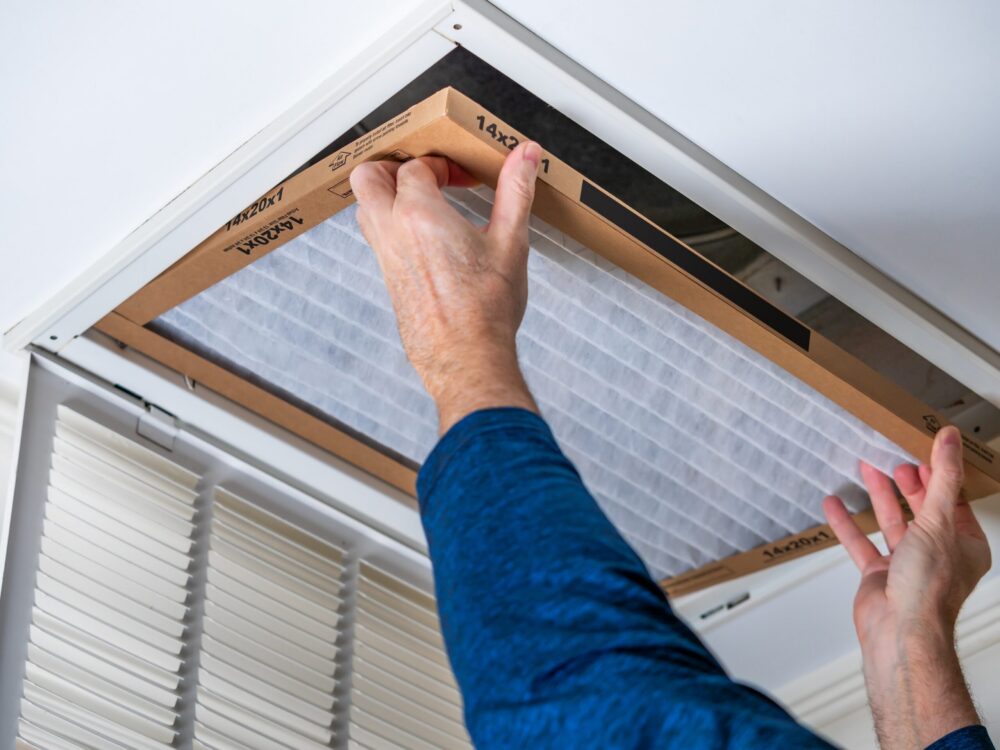
Several conditions can contribute to airflow problems. Dirty air filters restrict airflow throughout the system. Blower issues will reduce the amount of air moving through the ductwork. Furniture placement can also affect airflow. Large furniture positioned in front of supply vents or return vents will stop conditioned air from moving through your living space.
Closed or Blocked Vents
You may close vents in unused rooms, believing it will improve efficiency or send more air to your living spaces. However, closing vents will actually hinder your HVAC system from operating because it uses a specific amount of airflow. When you close multiple vents, pressure within the duct system changes. This can reduce airflow to other rooms and contribute to uneven temperatures throughout the home. Blocked vents create similar challenges. Rugs, furniture, and curtains can restrict airflow without you realizing it.
Insulation
Insulation helps slow the transfer of heat between the indoors and outdoors. When insulation levels vary throughout your home, certain rooms may gain or lose heat much faster than others. Attics tend to experience this issue. During summer, inadequate attic insulation allows heat to enter the living space more easily. During winter, heat escapes more quickly. When insulation problems combine with HVAC airflow problems, room-to-room comfort issues become even more noticeable.
Thermostat Placement
The thermostat controls the HVAC system based on conditions in a single location. If the thermostat is in a particularly warm or cool area of your home, it may not accurately reflect conditions in other areas. A thermostat located near a sunny window may register higher temperatures than the rest of your home. As a result, the air conditioner may shut off before the rooms are sufficiently cooled. Evaluating thermostat location is often an important part of diagnosing uneven temperatures.
Sun Exposure Creates Temperature Differences
Some rooms receive more sunlight than others. Large windows, southern exposure, and extended afternoon sun can greatly increase temperatures in these areas of your home. Even when the HVAC system operates properly, these rooms tend to feel warmer than the surrounding areas. Bedrooms and living spaces with substantial sun exposure often experience this challenge during the summer months. Conversely, shaded rooms may remain cooler than the rest of the house.
Window treatments, insulation improvements, and airflow adjustments will help you reduce temperature differences between rooms. However, solar heat gain tends to play a major role in uneven cooling in Colorado Springs homes.
Aging HVAC Equipment May Struggle to Keep Up
As your HVAC system ages, its performance will gradually decline. Older equipment often tends to struggle to distribute air as effectively as it once did. Components experience wear over time, reducing airflow and your overall comfort.
You may notice that certain rooms are more difficult to heat or cool, even though the system seems to be operating correctly. Your HVAC system may have matched your home’s original needs, but renovations, additions, or lifestyle changes can leave it struggling to keep up today. Aging equipment can magnify existing airflow and ductwork issues, making room-to-room comfort problems more noticeable.
Air Balancing Can Improve Whole-Home Comfort
You may assume that uneven temperatures are simply part of living in your home. In reality, air balancing can often significantly improve your level of comfort. Air balancing involves measuring airflow throughout the home and making adjustments to improve distribution. As technicians, we will evaluate supply vents, return vents, duct performance, and airflow patterns to identify imbalances. The goal is to make sure that each room receives an appropriate amount of conditioned air based on its size, location, and heating or cooling requirements.
Why Professional HVAC Diagnostics Matter
Uneven temperatures rarely result from a single cause. One home may experience comfort problems because of duct leaks. Another may struggle with insulation deficiencies. A third may require airflow adjustments or a system evaluation. Since multiple factors can easily contribute to room-to-room comfort issues, professional diagnostics provide the most reliable path toward a solution. Rather than guessing at the cause, you will gain a clearer understanding of what is actually affecting the comfort throughout your home.
Restore Consistent Comfort Throughout Your Home
If one room is too hot while another remains chilly, your HVAC system may be telling you that something is not working correctly. Uneven cooling and uneven heating in Colorado Springs often result from ductwork issues, HVAC airflow problems, insulation deficiencies, thermostat placement concerns, sun exposure, or aging equipment. Addressing these problems means that you have to do more than adjust the thermostat.
Elevation Mechanical provides professional HVAC diagnostics and ductwork repair in Colorado Springs. As a top-rated company since 2008, we complete system evaluations designed to identify the root cause of room-to-room comfort issues.
If your home never feels consistently comfortable, contact us at Elevation Mechanical today.