
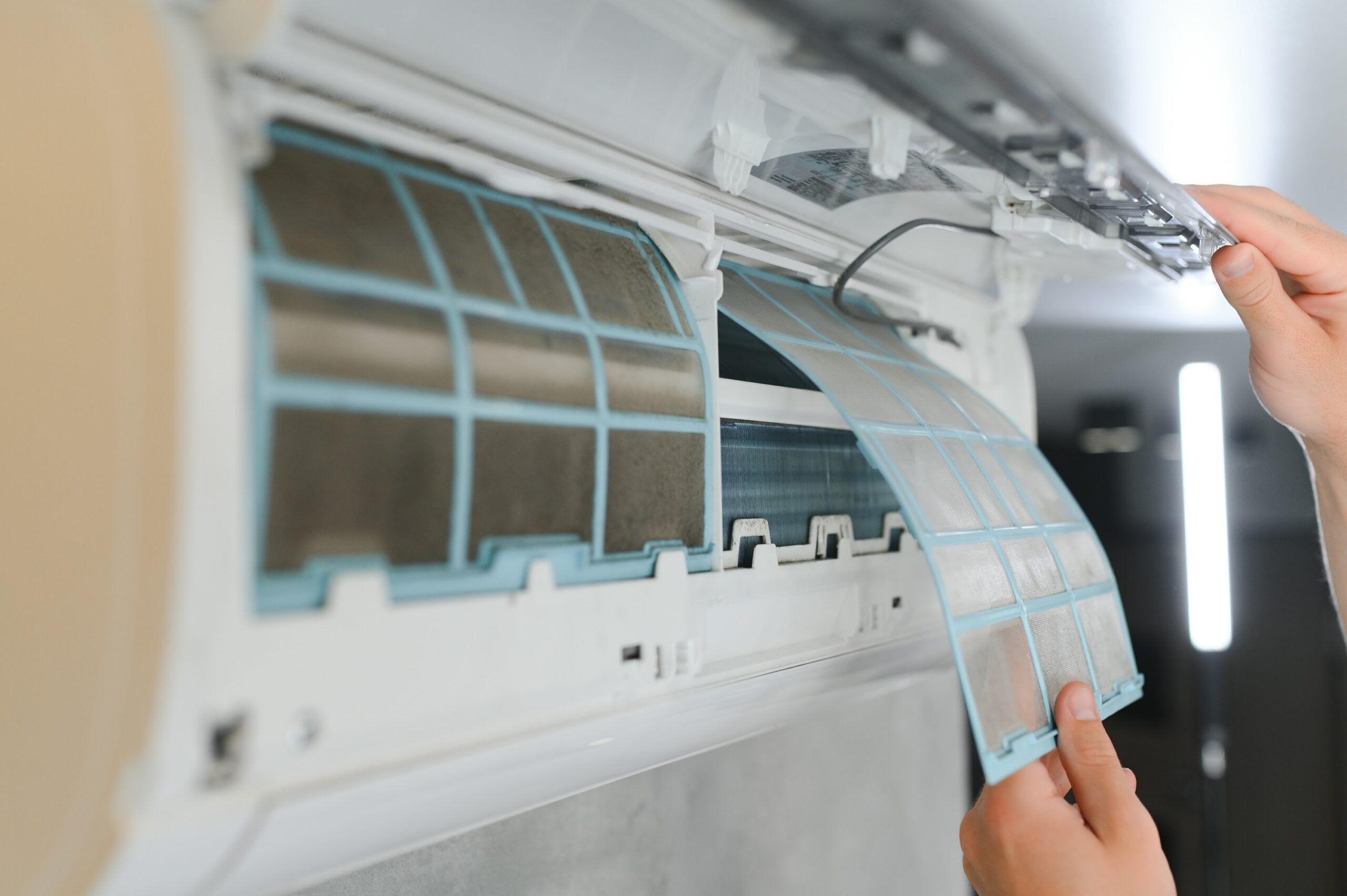
Improving the air quality in your Colorado Springs home requires a multifaceted approach that starts with choosing appropriate systems. Your home needs optimal filtration and balanced humidity as the basis of the plan.
Why IAQ Matters at High Altitude
Indoor air quality matters everywhere, but Colorado Springs has some factors that make it especially important. The city sits at a higher elevation, which makes homes in this area susceptible to drier air, which leads to sinus irritation and scratchy throats.
When pet dander, dust, and seasonal pollen are added, the indoor air quality can suffer. The effects are increased even more when there’s a wildfire smoke event going on.
Another issue with subpar indoor air quality is dry air, which can make your home feel uncomfortable, even if the temperature is fine. This can lead to dry skin, irritated nasal passages, and static electricity.
Common IAQ Problems in Colorado Springs
There are many factors that can impact the indoor air quality (IAQ) in a Colorado Springs home. These can come from indoors or outdoors. Here are some of the more typical issues.
Dry Winter Air and Low Humidity
One of the most common complaints in Colorado Springs is overly dry indoor air, particularly in the winter months. Ideal air indoor air quality starts with humidity that’s in the moderate range from 30% to 50%. This can help to control signs of poor indoor air quality, such as sore throats and chapped skin.
Seasonal Pollen and Allergens
Pollen doesn’t stay outdoors because it clings to clothing, shoes, skin, and pets. It can also come in through open windows and each time an exterior door is opened. During allergy season, people may notice that they’re having more episodes of sneezing, itchy eyes, and congestion. Even with frequent cleaning, a dusty buildup may occur on surfaces in the home.
VOCs From Cleaners, Paint, and New Materials
Everything you bring into your home can also impact the indoor air quality. Volatile organic compounds, which are sometimes called VOCs, can come in through paints, finishes, air fresheners, new flooring, cleaning, pressed wood products, and other common household materials. Even the clean smelling products can introduce indoor pollutants into your home.
Wildfire Smoke and Your Home
Wildfire smoke is the top indoor air pollutant in the area when they’re occurring. When outdoor air quality is poor, the usual advice to let fresh air in by opening windows and doors doesn’t apply. Instead, your focus has to be on keeping the outdoor air out. This can keep indoor particle levels down, but you will likely still need a good filtration system to keep them at an ideal level.
How to Test Indoor Air
Watch the humidity in your home by using a humidity gauge. Check the HVAC filter frequently to see how fast it’s becoming dirty. Having to change it often is an indication that your indoor air quality is poor. Pay attention to how often you’re having to dust because an increase in frequency means a decrease in air quality. Elevation Mechanical is here to test your indoor air quality and suggest solutions to address the issues you’re dealing with.
Air Purification Solutions
HVAC filter upgrades are often the first step homeowners should take to improve indoor air quality. The filter has to match the system’s capability or it will restrict air flow too much for the equipment to handle.
Whole-home air cleaners and filtration options make sense if your entire home has poor indoor air quality. These reduce circulating dust, allergens, and fine particles throughout your home instead of only in one room.
Portable air purifiers are a good option if you need extra filtration in a single room. Many homeowners add these in bedrooms, nurseries, and home offices. They’re also useful if people are experiencing allergy or asthma symptoms in one area of the home.
Whole-House vs. Portable
The decision about whether you need a whole-home purifier or portable ones depends on what’s going on in your home. If your entire home feels dry, dusty, or uncomfortable, a whole-house solution is likely ideal. This is also beneficial if multiple members of your family are having symptoms in different rooms. Portable units are only ideal if the issues are confined to one space in the home because they only work for a limited square footage.
FAQs
Schedule an Indoor Air Quality Consultation With Elevation Mechanical
Our team at Elevation Mechanical is ready to evaluate your home’s indoor air quality and develop a plan using indoor air quality solutions tailored to your needs. These changes can make the air feel cleaner and may help improve sleep and comfort, as well as reducing allergy symptoms. Contact us today to schedule your appointment.
